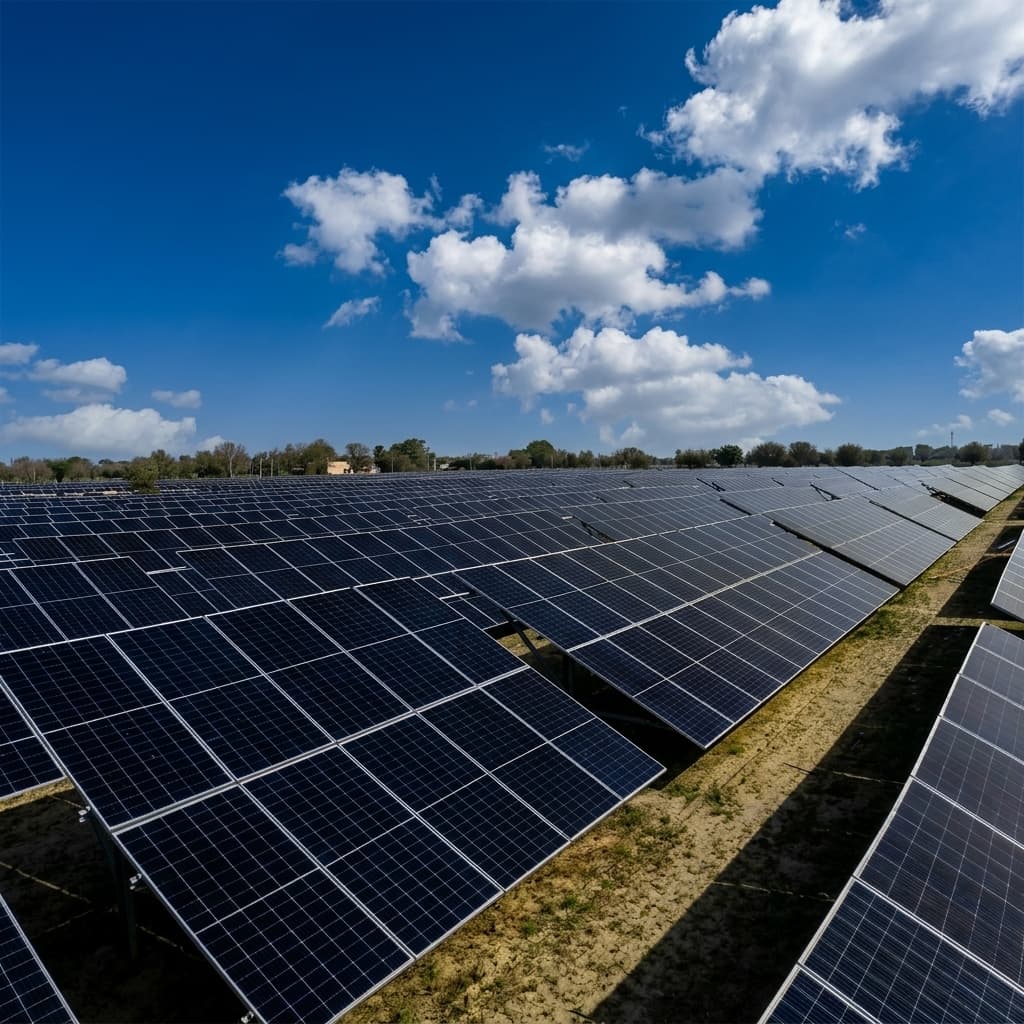
Are you ready to embrace the sunshine and transform your homes and businesses? Solar power is no longer just an alternative—it has become the future of energy. In 2025, going solar is one of the smartest financial and environmental decisions you can make. Divvy Solar helps cut costs and emphasize environmental responsibility, so transitioning to solar energy today is a strategic and forward-thinking decision.
Let's take a look at the key reasons that make solar power the future of energy in 2025.
What is Solar Power?
Solar energy harnesses the sun's radiation and converts it into heat or electricity. It is typically captured through two methods: photovoltaic (PV), which directly converts sunlight into electricity, and concentrated solar power (CSP), which uses focused sunlight to generate heat and electricity. Solar energy is renewable, sustainable, and reduces greenhouse gas emissions compared to fossil fuels.
The Economic Case for Solar in 2025
Solar energy makes a compelling economic case that is hard to ignore. This economic shift is driven by dramatically decreased solar panel prices, government incentives, and subsidies. Over the last decade, solar technology has continued to evolve, and the financial case for solar has become even stronger.
- 35% Drop in Storage Costs: Lithium and Sodium-ion battery prices are at all-time lows.
- Property Value Boost: Solar buildings command a 10–12% premium.
- Bill Savings: Homeowners report 70–90% reduction in electricity bills after going solar.
- Quick Payback: With subsidies, average payback period is now under 5 years in India.
Significant Cost Reductions
One of the most visible changes in the solar industry is that the cost of solar technology has plummeted. In 2025 alone, solar component prices fell by 35%. Additionally, the incentives available to homeowners and businesses make the transition even more affordable. As installation costs decrease, the return on investment becomes very attractive, and government policies play a crucial role in accelerating the switch to clean energy.
Energy Independence and Security
The Indian solar energy market is rapidly expanding and achieving energy independence. Solar contributes to energy security and stability by allowing grid stability, reducing fossil fuel consumption, and enhancing resilience against power outages. Government incentives such as the National Solar Mission and the PM Surya Ghar: Muft Bijali Yojana offer a 40% subsidy on installation costs for residential rooftop solar, making solar energy more accessible to all.
A Sustainable Long-Term Investment
Solar power provides long-term financial savings, unlike traditional energy sources. Beyond cutting monthly bills, it offers a predictable and stable cost structure. Furthermore, an energy-efficient property value is significantly higher, making it more attractive to investors. Investing in solar also contributes to a resilient, decentralised energy infrastructure, insulating communities from grid disruptions and price volatility.
Key Technological Innovations in 2025
- Community Solar: Shared access, crediting utility bills for energy output.
- Perovskite Solar Cells: Cheaper, thinner, flexible, and more efficient panels.
- Bifacial Panels: Capture sunlight on both sides for maximum energy in limited spaces.
- AI Optimization: Algorithms analyze data to maximize energy output 24/7.
- Smart Inverters: Enhance energy management and storage integration.
- Solid-State Batteries: Safer, longer-lasting, and higher energy density.
Rising Demand for Clean Energy in India
The global demand for clean energy is on the rise due to environmental concerns, climate change, and energy security needs. These initiatives, technological advancements, and cost reductions have positioned solar energy as the leading alternative to traditional fossil fuels. The IEA projects solar PV will contribute to more than half of global electricity growth in 2025.
Environmental Benefits of Solar Energy
Solar energy is a significant advantage in reducing air pollution, as it reduces the use of coal, oil, and natural gas. Every 1,000 kWh of energy harvested from solar radiation reduces carbon dioxide emissions by about 812 kilograms per year. The lifecycle emissions per kWh of electricity produced by rooftop solar are around 12 times less than those of natural gas and 20 times less than coal.
Traditional power generation often requires large amounts of water for cooling; however, PV systems require minimal water. Solar power diminishes the greenhouse effect responsible for global warming — making it the most environmentally responsible energy solution available today.
Over the last few years, Divvy Solar has established itself as one of the best EPC providers in Haryana, Punjab, and Chandigarh, with over 1,000 successful projects. We offer:
- End-to-End Project Management: From site assessment to installation and after-sales support.
- Proven Track Record: 1,000+ successful solar installations across North India.
- PPA Options: Predictable energy pricing with minimal upfront cost investment.
- Expert Team: Certified engineers and installation specialists.
Contact Divvy Solar today and start your journey to energy independence!
The Future is Solar • 2025 Edition